Yellow Element: A Modern Sans Serif for Elegant Web Design
As a web designer, I’m always on the lookout for fonts that can elevate my projects and make them stand out. Recently, I had the opportunity to test Yellow Element, an elegant sans serif display font, in a real website layout. The results were nothing short of impressive, and I’m excited to share my experience with you.
Visual Personality and Style
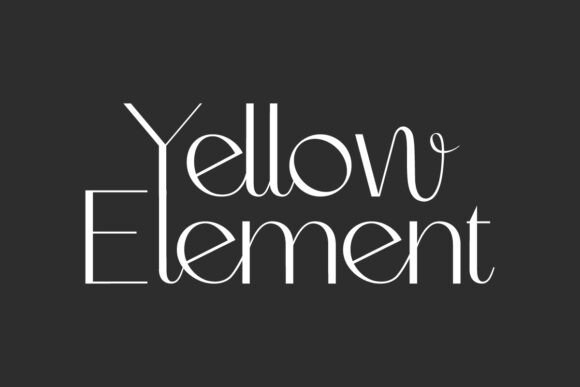
Yellow Element is a premium font with a unique modern style. Its thin line characters give it a clean and luxurious feel, making it perfect for adding a touch of sophistication to any design. The font’s minimalist yet distinctive look makes it a versatile choice for various web design elements, from headers to call-to-action areas.
Testing in Real Web Layouts
I decided to test Yellow Element in a creative portfolio website. The first thing I noticed was how well it performed in the hero section. The font’s elegance and clarity made the title stand out, drawing the viewer's attention immediately. When placed over an image banner, the thin lines of Yellow Element provided a beautiful contrast without overwhelming the visual content.
Next, I previewed the font on mobile devices. The responsive design maintained the font’s readability, even on smaller screens. This is crucial for ensuring a seamless user experience across all devices. The font’s thin lines did not become too faint, and the text remained crisp and legible.
Use Cases in Web Design
Yellow Element is particularly well-suited for use in:
- Website Headers: The font’s elegance makes it ideal for main headings, giving a professional and polished look to the site.
- Hero Sections: As mentioned, the font stands out beautifully in large, impactful titles, making it perfect for grabbing the user’s attention.
- Landing Pages: For call-to-action areas, Yellow Element adds a touch of luxury and sophistication, enhancing the overall appeal of the page.
- Online Shop Banners: The font’s clean and modern style complements product images, creating a cohesive and visually appealing layout.
- Blog Graphics: Using Yellow Element for blog post titles and featured images can help create a consistent and high-quality brand identity.
Readability and Visual Hierarchy
One of the key considerations in web design is readability. Yellow Element excels in this area, especially for larger text sizes. The font’s thin lines are easy to read, even when used over images or in dark backgrounds. However, for very small text or dense information, such as navigation menus or form labels, a more robust font might be better suited.
In terms of visual hierarchy, Yellow Element works well for establishing a clear and engaging structure. It can be used for hero titles, section headings, and decorative accents, while a simpler sans serif font can handle the body copy and smaller text. This combination ensures that the most important information is highlighted, while the rest of the content remains accessible and easy to scan.
Font Pairing and Web Design Best Practices
When using Yellow Element in web design, it’s essential to pair it with complementary fonts. A clean sans serif font, such as Roboto or Open Sans, can provide a good balance for body text. For a more editorial look, consider pairing Yellow Element with a simple serif font like Merriweather.
Before incorporating Yellow Element into your web projects, make sure to check the included styles, webfont availability, file formats, and multilingual support. Additionally, verify the commercial font licensing to ensure you have the right permissions for using the font on client projects, online stores, and digital templates.
In conclusion, Yellow Element is a fantastic addition to any web designer’s toolkit. Its modern, elegant style and excellent performance in various web design elements make it a valuable asset for creating visually appealing and professional websites. Whether you’re designing a creative portfolio, a boutique online store, or a promotional landing page, Yellow Element is sure to add a touch of luxury and sophistication to your project.